If you shoot 9mm regularly, factory ammunition costs add up fast. Building your own rounds at home is one of the smartest ways to cut costs while gaining full control over accuracy and consistency. Finding the best reloading equipment for 9mm pistol shooting is the first step toward safe, repeatable ammo that performs the same way, round after round. Whether you load 50 rounds a week or 500, the right dies, press, and components make every session faster and every cartridge more reliable.
A cluttered bench and mismatched tools slow down even experienced shooters, so it helps to know exactly what belongs in a 9mm setup before you spend a single dollar. This guide breaks down the presses, components, accessories, and kits worth considering, along with a few numbers to help you budget and plan your first or next purchase.
Reloading Presses for Handguns in the USA That Deliver Consistent Results
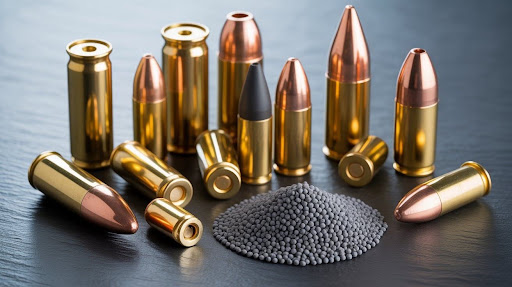
Your press is the heart of any reloading bench. It resizes brass, seats primers, and crimps bullets into place, so the quality of this single tool shapes every round you produce. For pistol calibers like 9mm, shooters generally choose between single-stage, turret, and progressive designs, each suited to a different pace of production.
A single-stage press handles one operation per pull of the handle, which makes it slower but excellent for learning the fundamentals. A turret press speeds things up by holding multiple dies in a rotating head. Progressive presses, on the other hand, perform several steps simultaneously and can turn out 200 to 300 rounds an hour once you get comfortable with the setup.
Shops such as Reloading Equipment carry all three press types built specifically for pistol calibers, which makes comparing frame quality and primer systems much easier before committing to a purchase.
Single-Stage vs Progressive Reloading Presses for Handguns in the USA
Beginners often start with a single-stage press because it forces careful attention to each step, reducing the chance of a missed charge or a seated primer error. Once you understand the process, moving to a progressive press for high-volume 9mm production makes practical sense, especially if you shoot competitively or train often.
Press Features That Improve 9mm Case Alignment
Look for a press with a solid steel frame, a primer system rated for small pistol primers, and a shell plate that indexes smoothly. A wobbly frame or loose linkage introduces variation that shows up as inconsistent seating depth, which directly affects accuracy at the range.
It also helps to check how many stations the press offers. A four-station press covers sizing, priming, powder drop, and seating in one cycle, while a five- or six-station design leaves room for a separate crimp die, which many 9mm reloaders prefer for cleaner case mouths.
Handgun Ammunition Components in the USA Every Reloader Needs
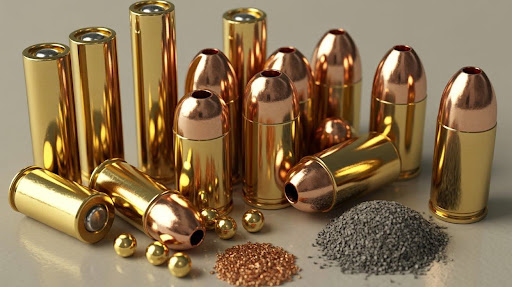
A press alone will not produce ammunition. You also need a steady, verified supply of brass casings, bullets, primers, and powder built specifically for pistol calibers. Each component plays a specific role in how the finished round performs, and mixing mismatched parts is one of the most common mistakes new reloaders make.
Brass can be new or once-fired, though once-fired cases need careful inspection for cracks or split necks before reuse. Small pistol primers are standard for most 9mm loads, and bullet weights typically range from 115 to 147 grains depending on your intended use, whether that is target practice, competition, or personal defense.
A good rule of thumb is to buy components in batches of at least 500 at a time. Buying in bulk usually lowers the per round cost by 10 to 15 percent and reduces how often you need to reorder mid-project.
Sourcing Qualit Handgun Ammunition Components in the USA for 9mm Rounds
Buying components from a trusted supplier matters as much as choosing the right press. Inconsistent bullet diameters or unreliable primers can cause feeding issues or pressure spikes, so it pays to stick with established brands and verified lot numbers rather than unknown bulk sources.
Bullet Weight and Powder Charge Basics for 9mm Loads
Powder charge weight is where precision matters most. A digital scale accurate to 0.1 grains, combined with a published load data chart from a reputable powder manufacturer, keeps every charge within safe pressure limits. Never estimate a charge by volume alone.
Common 9mm bullet weights include 115 grain for target loads, 124 grain for a balance of speed and recoil, and 147 grain for subsonic or suppressed shooting. Matching the powder charge to the specific bullet weight and manufacturer data sheet prevents both underpowered and overpressured rounds.
Reloading Accessories for Pistols in the USA to Round Out Your Bench
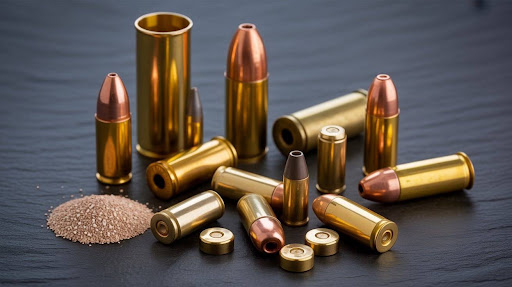
Beyond the press and the core components, a set of supporting tools makes the entire process smoother and safer. Callipers, case gauges, powder scales, and case lube round out a functional bench, and skipping any of these tends to show up as inconsistent results down the line.
A case gauge, for example, lets you check overall length and headspace in seconds before a round ever reaches the chamber. This small step catches sizing errors that could otherwise cause a jam or, worse, an unsafe pressure condition when fired.
Most of these tools cost between 15 and 50 dollars each, which is a small price compared to the cost of a damaged firearm or a wasted batch of 100 rounds.
Essential Reloading Accessories for Pistols in the USA Beginners Overlook
New reloaders often focus entirely on the press and forget tools like a bullet puller, a primer pocket cleaner, or a chamber checker gauge. These items cost relatively little, often under 30 dollars each, but they solve problems before they become expensive or dangerous mistakes.
Case Prep Tools That Save Time on Every Batch
A tumbler for cleaning brass, a case trimmer for maintaining uniform length, and a deburring tool for chamfered case mouths all speed up prep work. Investing in these upfront can shave 15 to 20 minutes off every 100 rounds you process.
A vibratory tumbler running for about 2 hours with corn cob media typically restores brass to a near new shine, which also makes it easier to spot cracks or defects before the cases go back through the press.
Complete Handgun Reloading Equipment in the USA Kits Worth Buying
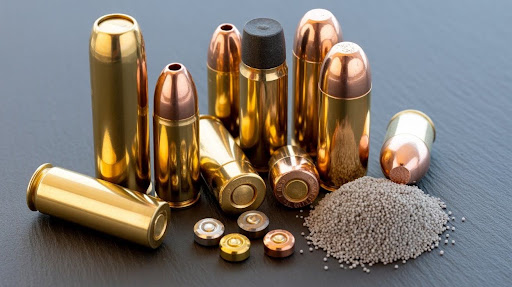
For shooters who want to skip piecing everything together individually, a complete kit is often the fastest path to a functional bench. A well-built kit bundles a press, dies, a scale, and basic accessories into one package, saving both money and research time compared to buying each piece separately.
Retailers such as Reloading Equipment curate starter and advanced kits specifically for pistol calibres, which takes the guesswork out of matching compatible parts. This kind of bundled setup is especially useful if you are new to the hobby and want a proven combination rather than trial and error.
A matched kit also tends to arrive with a printed or digital manual, which shortens the learning curve for anyone loading their first 9mm round.
What a Handgun Reloading Equipment in the USA Starter Kit Should Include
A solid starter kit should cover the press, a full die set for 9mm, a priming tool, a powder measure, and a manual with load data. Anything missing from that list means an extra purchase before your first loaded round.
Budgeting for Your First 9mm Reloading Setup
Entry-level kits typically run between 300 and 600 dollars, while a fully outfitted progressive setup can climb past 1,000 dollars. Most shooters recover that cost within the first 2,000 to 3,000 rounds loaded compared to buying factory ammunition.
Beyond the upfront kit cost, budget roughly 12 to 18 cents per round for components at current prices. Over 1,000 rounds, that can still save 100 dollars or more compared to buying commercial 9mm ammunition off the shelf.
Conclusion
Assembling the best reloading equipment for 9mm pistol ammo does not need to be complicated once you understand what each tool does and why it matters. Start with a reliable press, source verified components, round out your bench with the right accessories, and consider a curated kit if you would rather skip the guesswork.
Every hour spent understanding your equipment pays off in more consistent, more accurate ammunition down the line. Suppliers like Reloading Equipment make it easier to find matched, dependable gear built specifically for pistol reloading, so you can spend less time researching parts and more time at the bench producing safe, accurate 9mm ammunition.
Ready to Build Your 9mm Reloading Bench?
Explore presses, dies, and complete kits built for accuracy and consistency.
Shop Now at Reloading Equipment
Frequently Asked Questions
Q1. What is the best reloading equipment for 9mm pistol ammo?
A quality press, a 9mm die set, a digital powder scale, and a case gauge form the core setup most reloaders need.
Q2. How much does handgun reloading equipment in the USA cost for beginners?
Entry-level setups typically range from 300 to 600 dollars depending on press type and included accessories.
Q3. Which reloading presses for handguns in the USA suit high-volume shooters best?
Progressive presses suit high-volume shooters best since they can produce 200 to 300 rounds per hour.
Q4. Where can I find reliable handgun ammunition components in the USA?
Established suppliers with verified lot numbers offer the most consistent brass, bullets, primers, and powder.
Q5. What reloading accessories for pistols in the USA are essential for beginners?
A case gauge, calipers, case lube, and a primer pocket cleaner are essential low-cost accessories to start with.